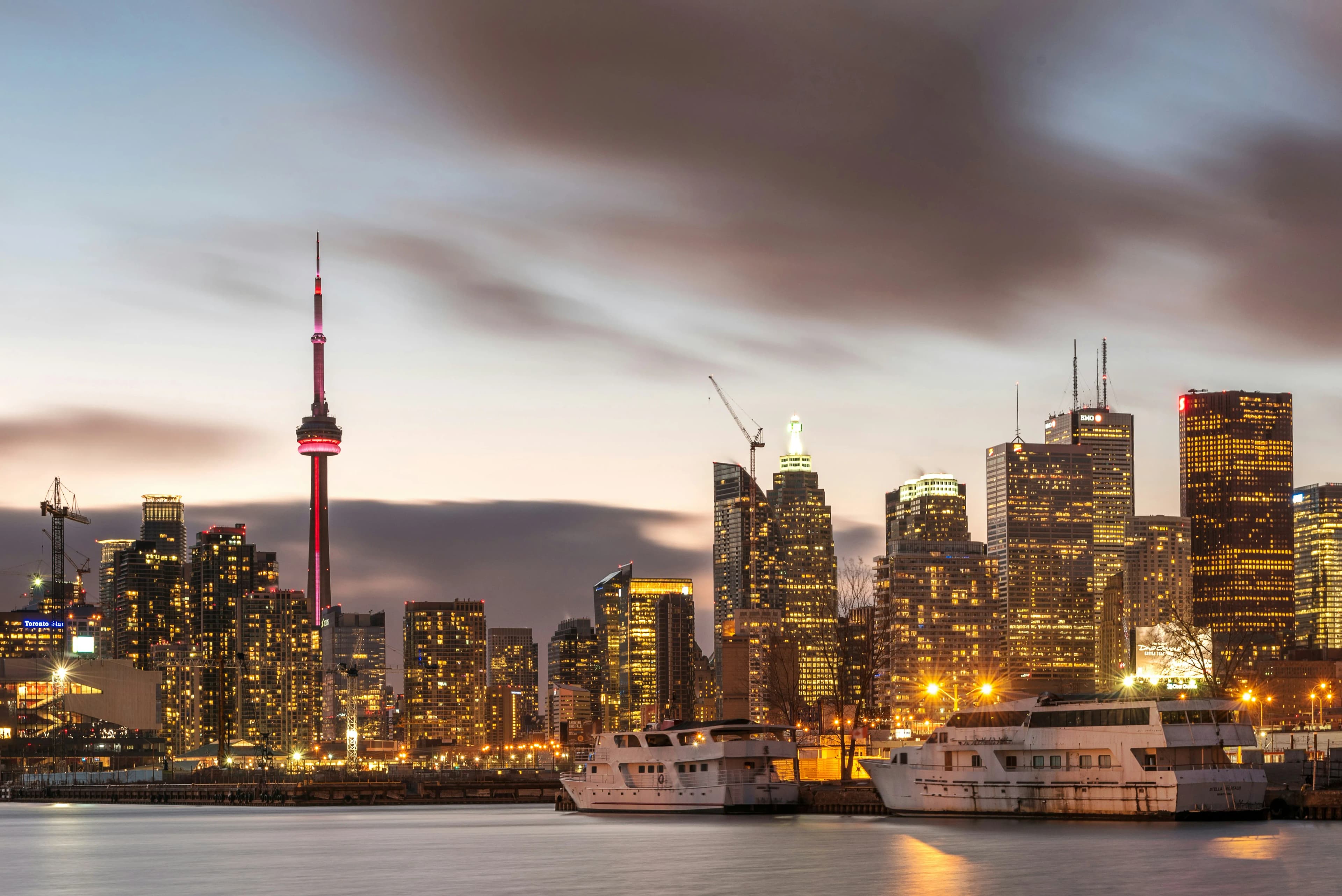
Toronto is the most transit-friendly host city in the Canadian portion of World Cup 2026. BMO Field sits on the waterfront at Exhibition Place — reachable by streetcar from Union Station in 15–20 minutes, by bike along the waterfront path, or on foot from the Entertainment District. Unlike Dallas or LA, getting to the stadium is not the accommodation decision. Quality of neighbourhood is.
The city is large but its transit network (TTC streetcars, subway, GO Train) connects most accommodation options to both the stadium and the city's best neighbourhoods without a car.
For stadium logistics and fan bar recommendations, see our Toronto World Cup 2026 fan guide.
Best Areas for Solo Fans
King West / Entertainment District: The most socially active neighbourhood in Toronto for visiting fans. Dense bar and restaurant options, walkable at night, and a short streetcar ride to BMO Field. The concentration of people during the tournament will be highest here. Hotels are plentiful and rates are more competitive than you'd expect for the best-located neighbourhood in the city.
The Annex: University neighbourhood with genuine local character. Bloor Street has excellent independent bars and restaurants, and the crowd is a mix of students, professionals, and creative types that makes for easy social interaction. Less tourist-facing than King West but livelier in a more authentic way. Spadina subway station connects to the whole city.
Kensington Market area: For solo fans who want the most characterful base in Toronto. The market itself is extraordinary — global street food, vintage shops, murals — and the surrounding streets have good accommodation options. Noisy on weekends in the best possible way.
Best Areas for Couples
Distillery District: The most romantic neighbourhood in Toronto. Victorian industrial architecture converted into galleries, restaurants, and boutiques. Cobblestone streets, excellent restaurants, and an atmosphere that feels genuinely European in character. Quieter than King West but with higher-quality dining and a more considered pace. A 20-minute streetcar ride to BMO Field.
King West: Also works well for couples who want the full Toronto nightlife and restaurant experience. The restaurant density on King Street West is among the best in Canada — Canoe, Buca, and Bar Raval are all within walking distance.
Leslieville: East-end neighbourhood popular with Toronto locals. Excellent brunch culture, independent coffee shops, and a neighbourhood feel that tourists rarely find. More affordable than Downtown or the Distillery District. The Queen streetcar connects to the stadium in about 30 minutes.
Best Areas for Families
Distillery District: Surprisingly family-friendly despite its upscale reputation. The pedestrianised streets mean no traffic, the restaurants handle families well, and the area is calm and safe. Toronto Christmas Market (not relevant in June) gives a sense of how the district manages large crowds gracefully.
Harbourfront / Queens Quay: Directly on the waterfront, close to BMO Field, and with significant family infrastructure — Harbourfront Centre has programming for children, the waterfront path is excellent for cycling and walking, and the area is clean and safe. Hotels here are well-positioned for families who want minimal transit on match days.
North York (Yonge and Eglinton): For families prioritising space and value over central location. Larger hotels and apartment rentals, quieter streets, and good family restaurants along Yonge Street. The Yonge-University subway line connects to Union Station in 15–20 minutes.
What to Avoid
Downtown Toronto east of Yardley (Regent Park area): This neighbourhood has improved significantly but remains patchy. Not dangerous but the accommodation quality and surrounding environment is inconsistent. Families in particular should avoid this area.
Airport area hotels (Mississauga): Cheap, but you're effectively not in Toronto. The UP Express brings you in from the airport in 25 minutes — staying near the airport adds that journey to everything you do. Only relevant if your flights are very early or very late.
Booking too far north on the subway: The subway goes a long way north of the city's interesting neighbourhoods. Anything above Eglinton on the Yonge line puts you in suburban territory where the restaurants and nightlife don't justify the lower price.
Rental vs Hotel
Hotels make more sense for:
- Short stays of 1–3 nights
- Solo fans who don't need kitchen access
- Anyone wanting a waterfront hotel — Harbourfront has excellent options
Rentals (Airbnb/VRBO) make more sense for:
- Families needing multiple bedrooms
- Groups of 3+ splitting costs
- Stays of 5+ nights in Leslieville, the Annex, or Kensington where rental inventory is strong
- Anyone who wants to cook — Toronto's food markets (St. Lawrence, Kensington) make self-catering genuinely enjoyable
Toronto has healthy short-term rental supply. Book early — tournament demand will clear the best properties quickly.
Price Expectations
Prices in Canadian dollars (CAD). At current exchange rates, roughly 30% lower in USD terms for American visitors.
| Area | Typical nightly rate (tournament weeks, CAD) |
|---|---|
| King West / Entertainment District | $280–$500 CAD |
| Distillery District | $250–$450 CAD |
| Harbourfront / Queens Quay | $260–$480 CAD |
| The Annex | $200–$380 CAD |
| Leslieville | $180–$320 CAD |
| North York | $150–$280 CAD |
Toronto is significantly more affordable than New York and Miami, and the CAD/USD exchange rate gives American visitors additional value. Book early regardless — quality inventory at fair prices moves first.
Fanway builds your day-by-day Toronto itinerary around your match schedule — filtered to your group. Solo fan, couple, or family — the recommendations adapt to who you're traveling with.
